





Solar Power for Agro-Processing Industries: A Practical Guide
Agro-processing units — rice mills, oil expellers, spice grinding, cold storages, etc. — typically face two key challenges: seasonal load profiles and escalating electricity costs. Solar power offers a compelling solution, especially for units in semi-rural or remote areas, by turning sunlight into reliable energy and even extra revenue. Partnering with a solar EPC company for business can make this transition seamless and cost-effective.
1. Match active months with solar generation
During harvest and processing seasons, many units run 5–8 hours (or more) daily. A well-sized ground-mounted or rooftop solar plant (say 200–300 kW or larger) can supply a significant share (or all) of that daytime load. In states like Haryana and Uttar Pradesh, such systems already power agro units reliably for 6+ hours a day, reducing diesel and grid dependence and improving operational predictability.
For factory owners looking to cut expenses, cheap solar energy for factory setups can drastically lower operational costs while ensuring a consistent power supply.
2. Export excess via net metering/banking
In quieter months, when processing slows or halts, your solar system may generate surplus energy. Through net metering or banking arrangements, this surplus can be fed into the grid, generating credits or discom payments. This effectively converts your idle solar asset into a revenue stream or offset against future electricity use. (Be aware: state net metering regulations differ — in some regions, surplus units may “lapse” or be paid at a lower rate.)
3. Financial & tax incentives
• Accelerated depreciation: Commercial & industrial rooftop or captive solar projects can typically claim ~40 % in Year 1 depreciation under Income Tax rules (with further depreciation in Year 2).
• GST & input credits: The 5 % GST on solar modules and eligibility for input tax credits (on equipment and services) further improve returns.
• Subsidy/scheme support: While large C&I systems seldom get direct capital subsidies, certain programs like PM-KUSUM (Component A) allow grid-connected solar capacity tied to agriculture or rural industries, sometimes with 30 % subsidy support.
• State incentives: Some states (e.g., Haryana) offer stamp duty exemptions, solar banking support, and other perks via state energy agencies.
A professional solar installation company for business can help navigate these financial benefits, ensure proper documentation, and deliver optimised system design and installation.
4. Feasibility, sizing & payback
A typical 500 kW solar plant in India (depending on site, solar irradiance, equipment cost) might recover its capital in 4–7 years. Project costs, module efficiency, and O&M matter. Your solar EPC company for business will assess roof or land availability, shading, structural strength, and load patterns to design the optimal system for your unit.
5. Risk mitigation & operational tips
• Use high-quality modules/inverters to reduce downtime.
• Build a buffer (10–20 %) over your peak load, since not every day yields full capacity.
• Monitor system health — dust, soiling, wiring faults reduce yields.
• Understand discom rules: metering, settlement cycles, wheeling fees.
• Insure the system against theft, module damage, etc.
In summary
Solar lets sub-processors convert a cost burden into an income-earning asset. During busy months, it powers machinery; in off months, it generates export credits. Combined with depreciation, tax benefits, and state scheme support, it offers reliable returns and energy independence, especially important in regions where grid supply is weak or erratic. For agro units and factories alike, adopting cheap solar energy for factory setups through a trusted solar installation company for business ensures long-term savings and sustainability.
Featured articles
Check out some of the best features and news from Designing Buildings as well as key stories from around the web.
The importance of early engagement

Construction lessons from the Trillium HealthWorks Experience Centre.
Mayors are to be given planning call in powers

Mayors across England will be able to make the most important planning decisions.

The Master Builder: William Butterfield and his times. Book review.

Why construction can't afford to ignore the skills gap.
Building Safety Regulator, 19 August

Gill Kernick appointed Independent Chair of Residents’ Panel.
Connecting knowledge, technology and conservation
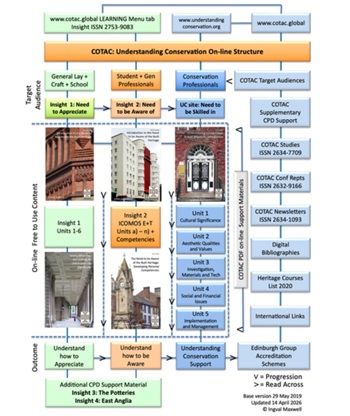
Building competence for the future of built heritage.
Building Regulations and Building Safety Act

CIOB publishes free advice for non-domestic clients.

Building Safety Newsletter from MHCLG.

An extraordinary record of steel engineering worldwide.
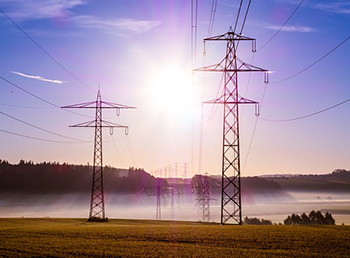
Households living near new pylons to save on bills.

ECA warns growth must not outpace grid capacity or skills.
The role of the client and decision making

CIOB response to built environment professions call for evidence.